How can you tell that the email you’ve just received was sent not by your bank but by a malicious spammer hoping to steal your account details? The logo looks right. The design appears professional. Even the from address looks like an account at the bank. And yet… there’s something wrong.
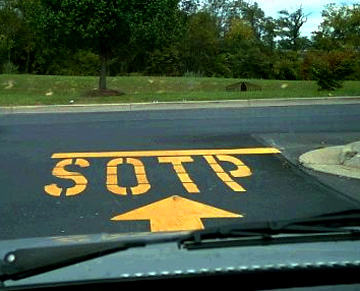
It’s the spelling. Messages sent by official organizations are word-perfect. They contain no typos, no spelling mistakes and no mangled sentences. When you receive an email from a bank you know you’re dealing with professionals — and not a phishing organization in Siberia pretending to be the “Bonk of Amerika.”
Correct copy creates trust. Bad spelling blasts sales… and sometimes by a huge amount. When Internet entrepreneur Charles Dunscombe removed a spelling error from his site tightsplease.co.uk, he found that revenue per visitor doubled. “If you project this across the whole of internet retail, then millions of pounds worth of business is probably being lost each week due to simple spelling mistakes,” he told BBC news recently.
So what can you do to make sure that the copy you show your leads, both on your landing pages and in your emails, is always correct?
1. Spellcheck Your Newsletters
On the Web, keywords are vital. They ensure that sites are listed by search engines, delivering the right kind of free traffic, and they help Web pages make money by serving relevant ads. For newsletters, keywords are no less important, but they’re vital in a different way: while site-based keywords are read by computers which focus on the terms not the context and deliver a measurable result based on an algorithm, newsletter-based keywords are read by humans and the effect is simpler than any math-based code can deliver. Either the keyword evokes interest in a subscriber and prompts him or her to read, or it doesn’t.