First there was Facebook, but now there’s a new “face” in town. It’s a site that’s attracting a record number of new users eager to jump on board the next big thing. According to Business Insider, traffic to Pinterest has increased by more than 40 times since December of 2011. As of January 2012, Pinterest had 11.7 million unique users, and this social media site with a twist continues to experience explosive growth. Media giants are taking notice. The Wall Street Journal is already using Pinterest to cover fashion week in New York City. This is appropriate since almost six out of ten Pinterest members are female. Not surprisingly, businesses are eagerly searching for ways to use Pinterest to market their goods and services, especially businesses that market to females.
How Pinterest Works
Pinterest is a visually-oriented social media site that draws attention not with words but with pictures. Members create categories and themes for photos that interest them online and pin them onto themed pinboards. Themes might include anything from “delicious desserts” to “sexiest little black dresses.” Members are free to post and share images they find on the web so other members can enjoy and hopefully share them with others. If a member finds a compelling image, they can repin it by adding it to their own pinboard or share it on Facebook or Twitter. Pinterest members can also choose other like-minded pinners to follow, creating their own community of members with similar interests. It’s visual social media at its best.
To add exclusivity, you need an invitation to join Pinterest. Anyone is free to visit the site and fill out a form to join, but non-members must wait for an invitation to arrive through email to become a member. This can take several days. Another member can also extend an invitation to a non-member to join.
Is Pinterest a Marketing Tool?


Do you Squidoo? If not, you’re missing out on a simple way to market your business and build your brand.
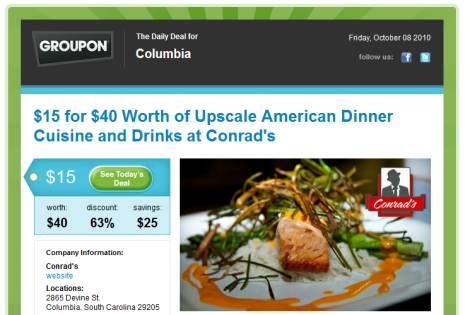
Before the rise of social media, email marketing was the only way to reach people who had shown enough of an interest in a business to visit the website but weren’t yet interested enough to make a purchase. Persuade those people to leave behind an email address and the company could return to them with a special offer or news of a product release and pull them back through the door.